

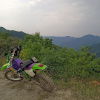
Greetings from South Africa….just collected my first KDX200 2006 model. Well chuffed with it!
Recently sold an 82 IT250 and an 84 RZ350 in KR colours.
Happy to be in this esteemed group with the love of the green machine!
Cheers
David aka Stabb
First KDX for me!
Re: First KDX for me!
- IMG_3358.JPG (2.3 MiB) Viewed 3417 times
- IMG_3348.JPG (2.36 MiB) Viewed 3417 times
- IMG_3345.JPG (1.92 MiB) Viewed 3417 times
- IMG_3352.JPG (2.49 MiB) Viewed 3417 times
- IMG_3350.JPG (2.27 MiB) Viewed 3417 times
Re: First KDX for me!
- IMG_3349.JPG (2.26 MiB) Viewed 3417 times
- IMG_3343.JPG (3.12 MiB) Viewed 3417 times
- IMG_3341.JPG (1.85 MiB) Viewed 3417 times
- IMG_3342.JPG (2.4 MiB) Viewed 3417 times
- Attachments
-
- IMG_3351.JPG (2.3 MiB) Viewed 3417 times
Re: First KDX for me!
- IMG_3344.JPG (1.92 MiB) Viewed 3417 times
- IMG_3346.JPG (2.77 MiB) Viewed 3417 times
- IMG_3355.JPG (2.36 MiB) Viewed 3417 times
- IMG_3356.JPG (2.57 MiB) Viewed 3417 times
Re: First KDX for me!
Happy to have comments and observations on what to check first. I assume new oil all round, new filter and a carb service would be minimum considering it’s unknown to me.
-
Chuck78
- Gold Member

- Posts: 1553
- Joined: 06:20 pm Nov 30 2016
- Country: USA
- Location: Columbus, OH
- Has thanked: 295 times
- Been thanked: 140 times
Re: First KDX for me!
Welcome to the forum!
That IT250 was one heck of a bike for its time, but I think you'll find the disc brakes, improved suspension and chassis, and a water cooled power valve engine to be quite refreshing, making it a lot more easily rideable...
That RZ350, what a legend! Very cool bikes.
Just FYI, for some reason, your photos are not showing up beyond the very first one.
2006 was the very last year of the KDX, and one of the few years I believe starting in 2003 that used silver paint on the frames and I believe possibly revised to the newer Kawasaki # 777 Flo Green vs the older Kawasaki # 7F Lime Green.
Excellent bikes, one of the best and most legendary trail bikes of all time really, and still quite viable up against modern bikes after some suspension work.
Is yours completely stock? The fork springs are generally set up for around a 125 lb lightweight Rider, and the compression damping is a little bit much, but at the rear, the stock light blue shock spring is set up for around a 180 lbs rider. Getting the suspension properly sprung for your weight and the front and back both revolved on the compression side is usually considered one of the best upgrades to do. If you want to shed a little bit of weight and upgrade the front and rigidity especially critical if you are a heavier Rider or you are in aggressive racer, fork swaps are quite common. These forks can do quite well for recreational trail riding after springs and valving, but they don't hold up for aggressive riders, aggressive racers, or heavier riders as well due to the flex.
The carburetor bodies should not be subjected to any significant soaking or dipping in chemical cleaners without expecting to need the jet block gasket or jet block o-ring or mid body gasket, all the same part, I'll replace. This is not on the OEM Parts diagrams on any model bike from any brand which uses the Keihin PWK carbs yours is a PWK35 Long Body, four parts reference. Don't go with the generics, go with a jet block gasket from JD Jetting or other highly reputable Keihin parts sources. If this leaks any air past it, it is unmetered air, and it will detract from the jet signal, and the jetting may never be quite right with this leaking. It is accessed by removing the center core of the body from the float bowl area using a tamper proof torx bit. They are not held on with much torque at all, so do not over tighten it.
When doing a top and rebuild on these, it's very critical to follow the service manual instructions on dismantling and reassembling the power valve linkage.
The power valve actuator governor assembly in the bottom end interfaces with a linkage rod that has a somewhat delicate pin in the bottom end interface, and on the top of this shaft where it interfaces into the side of the cylinder, the toothed linkage is held on with a small *left hand thread nut* that requires holding the shaft very firmly and steady with a backup wrench so it will not move (you cannot put any excessive force through that pin or else it will bend on it's stamoed steel mount) when you loosen the left hand thread not clockwise. Same for tightening it. You cannot use the force of the wrench on the shaft without supporting the shaft, otherwise the pin in the bottom end will get bent, which can eventually lead to it cracking from its mounting base and falling into the bottom end which then renders your power valve non-functional as well as very likely getting sucked up between gears and destroying expensive bottom end parts.
Other than typical service, that really covers it. It has a linkage rear suspension, so it should be torn down annually or if not ridden as heavily or not seeing a power washer or lots of mud and water, maymaybeery two seasons is good to dismantle and grease the bearings and inspect them. A lot of people forget this area of maintenance either lock up from rust in storage or else become quite sloppy..
This also gives you a chance to remove the swing arm pivot axle bolt, clean it and grease it, as if the bike is very very neglected, this can become rusted into the engine case. There are two steel inserts cast into the aluminum crankcase at the rear which this goes through, and the steel bolt can become rusted so that it cannot pass through the steel inserts.
Repacking the silencer or at least draining the oil out of it is also recommended periodically. I can't see what spark arrestor/silencer/muffler yours has on it but I see a Hyde Racing pipe guard skid plate combo and an aftermarket expansion chamber.
Welcome to the forum and welcome to the KDX community!
That IT250 was one heck of a bike for its time, but I think you'll find the disc brakes, improved suspension and chassis, and a water cooled power valve engine to be quite refreshing, making it a lot more easily rideable...
That RZ350, what a legend! Very cool bikes.
Just FYI, for some reason, your photos are not showing up beyond the very first one.
2006 was the very last year of the KDX, and one of the few years I believe starting in 2003 that used silver paint on the frames and I believe possibly revised to the newer Kawasaki # 777 Flo Green vs the older Kawasaki # 7F Lime Green.
Excellent bikes, one of the best and most legendary trail bikes of all time really, and still quite viable up against modern bikes after some suspension work.
Is yours completely stock? The fork springs are generally set up for around a 125 lb lightweight Rider, and the compression damping is a little bit much, but at the rear, the stock light blue shock spring is set up for around a 180 lbs rider. Getting the suspension properly sprung for your weight and the front and back both revolved on the compression side is usually considered one of the best upgrades to do. If you want to shed a little bit of weight and upgrade the front and rigidity especially critical if you are a heavier Rider or you are in aggressive racer, fork swaps are quite common. These forks can do quite well for recreational trail riding after springs and valving, but they don't hold up for aggressive riders, aggressive racers, or heavier riders as well due to the flex.
The carburetor bodies should not be subjected to any significant soaking or dipping in chemical cleaners without expecting to need the jet block gasket or jet block o-ring or mid body gasket, all the same part, I'll replace. This is not on the OEM Parts diagrams on any model bike from any brand which uses the Keihin PWK carbs yours is a PWK35 Long Body, four parts reference. Don't go with the generics, go with a jet block gasket from JD Jetting or other highly reputable Keihin parts sources. If this leaks any air past it, it is unmetered air, and it will detract from the jet signal, and the jetting may never be quite right with this leaking. It is accessed by removing the center core of the body from the float bowl area using a tamper proof torx bit. They are not held on with much torque at all, so do not over tighten it.
When doing a top and rebuild on these, it's very critical to follow the service manual instructions on dismantling and reassembling the power valve linkage.
The power valve actuator governor assembly in the bottom end interfaces with a linkage rod that has a somewhat delicate pin in the bottom end interface, and on the top of this shaft where it interfaces into the side of the cylinder, the toothed linkage is held on with a small *left hand thread nut* that requires holding the shaft very firmly and steady with a backup wrench so it will not move (you cannot put any excessive force through that pin or else it will bend on it's stamoed steel mount) when you loosen the left hand thread not clockwise. Same for tightening it. You cannot use the force of the wrench on the shaft without supporting the shaft, otherwise the pin in the bottom end will get bent, which can eventually lead to it cracking from its mounting base and falling into the bottom end which then renders your power valve non-functional as well as very likely getting sucked up between gears and destroying expensive bottom end parts.
Other than typical service, that really covers it. It has a linkage rear suspension, so it should be torn down annually or if not ridden as heavily or not seeing a power washer or lots of mud and water, maymaybeery two seasons is good to dismantle and grease the bearings and inspect them. A lot of people forget this area of maintenance either lock up from rust in storage or else become quite sloppy..
This also gives you a chance to remove the swing arm pivot axle bolt, clean it and grease it, as if the bike is very very neglected, this can become rusted into the engine case. There are two steel inserts cast into the aluminum crankcase at the rear which this goes through, and the steel bolt can become rusted so that it cannot pass through the steel inserts.
Repacking the silencer or at least draining the oil out of it is also recommended periodically. I can't see what spark arrestor/silencer/muffler yours has on it but I see a Hyde Racing pipe guard skid plate combo and an aftermarket expansion chamber.
Welcome to the forum and welcome to the KDX community!
'97 KDX220R - purple/green! - KLX forks, Lectron, Tubliss
'97 KX125/220R hybrid build! - '25 KX450X suspension, titanium hardware, extensive mods purple/green!
'99 KDX220R project - '98/'01 RM125 suspension, Titanium hardware, Lectron Billetron, Tubliss
'77 Suzuki PE250 & '83 PE175 Full Floater - restomod builds
'77 Suzuki GS750-844cc, '77 GS400 & '77 GS550 big bore builds
'62 GMC 1000 Panel Truck
'88 Suzuki Samurai TDI/Toyota swap
'88 Toyota 4x4 pickup
'97 KX125/220R hybrid build! - '25 KX450X suspension, titanium hardware, extensive mods purple/green!
'99 KDX220R project - '98/'01 RM125 suspension, Titanium hardware, Lectron Billetron, Tubliss
'77 Suzuki PE250 & '83 PE175 Full Floater - restomod builds
'77 Suzuki GS750-844cc, '77 GS400 & '77 GS550 big bore builds
'62 GMC 1000 Panel Truck
'88 Suzuki Samurai TDI/Toyota swap
'88 Toyota 4x4 pickup
-
ss109

- KDXRider.net

- Posts: 6252
- Joined: 05:11 am Aug 23 2009
- Country: USA
- Location: Tucson, AZ, USA
- Has thanked: 33 times
- Been thanked: 53 times
- Contact:
Re: First KDX for me!
Welcome!
Youtube Channel: WildAzzRacing
AZ State Parks & Trails OHV Ambassador - Trail Riders of Southern AZ
Current KDX: '98 KDX220
Old KDX: '90 KDX200 -White/Blue
'11 GasGas EC250R
AZ State Parks & Trails OHV Ambassador - Trail Riders of Southern AZ
Current KDX: '98 KDX220
Old KDX: '90 KDX200 -White/Blue
'11 GasGas EC250R
Re: First KDX for me!
Brilliant thanks Chuck78. Good bit of info there…Chuck78 wrote: 10:49 am May 26 2026 Welcome to the forum!
That IT250 was one heck of a bike for its time, but I think you'll find the disc brakes, improved suspension and chassis, and a water cooled power valve engine to be quite refreshing, making it a lot more easily rideable...
That RZ350, what a legend! Very cool bikes.
Just FYI, for some reason, your photos are not showing up beyond the very first one.
2006 was the very last year of the KDX, and one of the few years I believe starting in 2003 that used silver paint on the frames and I believe possibly revised to the newer Kawasaki # 777 Flo Green vs the older Kawasaki # 7F Lime Green.
Excellent bikes, one of the best and most legendary trail bikes of all time really, and still quite viable up against modern bikes after some suspension work.
Is yours completely stock? The fork springs are generally set up for around a 125 lb lightweight Rider, and the compression damping is a little bit much, but at the rear, the stock light blue shock spring is set up for around a 180 lbs rider. Getting the suspension properly sprung for your weight and the front and back both revolved on the compression side is usually considered one of the best upgrades to do. If you want to shed a little bit of weight and upgrade the front and rigidity especially critical if you are a heavier Rider or you are in aggressive racer, fork swaps are quite common. These forks can do quite well for recreational trail riding after springs and valving, but they don't hold up for aggressive riders, aggressive racers, or heavier riders as well due to the flex.
The carburetor bodies should not be subjected to any significant soaking or dipping in chemical cleaners without expecting to need the jet block gasket or jet block o-ring or mid body gasket, all the same part, I'll replace. This is not on the OEM Parts diagrams on any model bike from any brand which uses the Keihin PWK carbs yours is a PWK35 Long Body, four parts reference. Don't go with the generics, go with a jet block gasket from JD Jetting or other highly reputable Keihin parts sources. If this leaks any air past it, it is unmetered air, and it will detract from the jet signal, and the jetting may never be quite right with this leaking. It is accessed by removing the center core of the body from the float bowl area using a tamper proof torx bit. They are not held on with much torque at all, so do not over tighten it.
When doing a top and rebuild on these, it's very critical to follow the service manual instructions on dismantling and reassembling the power valve linkage.
The power valve actuator governor assembly in the bottom end interfaces with a linkage rod that has a somewhat delicate pin in the bottom end interface, and on the top of this shaft where it interfaces into the side of the cylinder, the toothed linkage is held on with a small *left hand thread nut* that requires holding the shaft very firmly and steady with a backup wrench so it will not move (you cannot put any excessive force through that pin or else it will bend on it's stamoed steel mount) when you loosen the left hand thread not clockwise. Same for tightening it. You cannot use the force of the wrench on the shaft without supporting the shaft, otherwise the pin in the bottom end will get bent, which can eventually lead to it cracking from its mounting base and falling into the bottom end which then renders your power valve non-functional as well as very likely getting sucked up between gears and destroying expensive bottom end parts.
Other than typical service, that really covers it. It has a linkage rear suspension, so it should be torn down annually or if not ridden as heavily or not seeing a power washer or lots of mud and water, maymaybeery two seasons is good to dismantle and grease the bearings and inspect them. A lot of people forget this area of maintenance either lock up from rust in storage or else become quite sloppy..
This also gives you a chance to remove the swing arm pivot axle bolt, clean it and grease it, as if the bike is very very neglected, this can become rusted into the engine case. There are two steel inserts cast into the aluminum crankcase at the rear which this goes through, and the steel bolt can become rusted so that it cannot pass through the steel inserts.
Repacking the silencer or at least draining the oil out of it is also recommended periodically. I can't see what spark arrestor/silencer/muffler yours has on it but I see a Hyde Racing pipe guard skid plate combo and an aftermarket expansion chamber.
Welcome to the forum and welcome to the KDX community!
It’s still a bit of discovery. It’s pretty original but with a FMF through pipe - desert version I do believe.
It has a black shock spring not the blue.the fork springs I’m not sure yet.
I’m 6”4 and about 210lbs
Discs are a bit worn and it’s running 13/49 sprockets.
So far the only weird issue is needing to turn the idle screw out on cold start and turn it in on warm start. I would never need to turn the idle on any of my bikes so interested to solve that.
It is running a 140/80/18 metzeler on the rear.
Weird that the pics aren’t showing….posted about 8.
- 4B26A5CC-F601-45F8-8545-839F93EE5840.jpeg (3.05 MiB) Viewed 1996 times
Re: First KDX for me!
- IMG_3357.jpeg (2.55 MiB) Viewed 1992 times
- IMG_3356.jpeg (2.57 MiB) Viewed 1992 times
- IMG_3341.jpeg (1.85 MiB) Viewed 1992 times